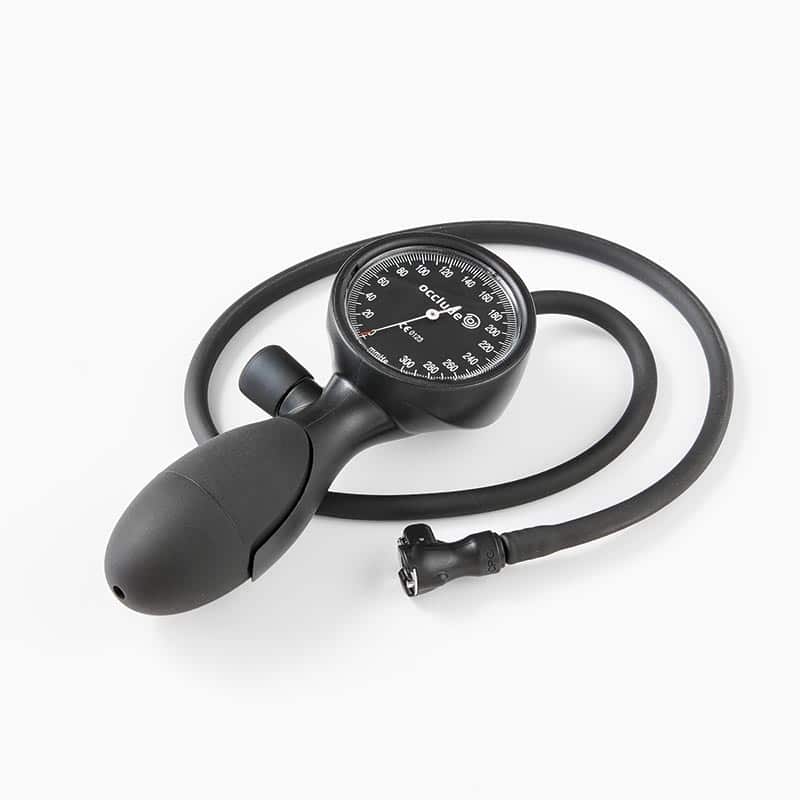
How Occlude works
Blood flow restriction training can best be understood as a physiological shortcut to achieving muscle hypertrophy, strength gains, and improved functional capacity, with minimal loading of tendons and joints.
What is blood flow restriction training?
The method was originally developed in Japan in the 1960s under the name KAATSU, but has since evolved into a well-documented and evidence-based training approach that is applied globally in clinical rehabilitation, resistance training, and elite sports under the name blood flow restriction training or BFR-training.
During blood flow restriction training, a cuff is applied around an arm or a leg to partially restrict blood flow to the working muscle. This reduced blood and oxygen supply accelerates muscular fatigue, allowing even low external loads — down to 20–30% of one-repetition maximum (1RM) — to produce a substantial muscular training stimulus. This corresponds to approximately one-third of the load typically used in conventional resistance training.
This makes blood flow restriction training a physiological shortcut to muscle hypertrophy, strength gains, and improved function, without the need to lift heavy loads. The method is well documented in the scientific literature, with several hundred studies across rehabilitation, resistance training, and performance optimization, and is today applied in hospitals, physiotherapy clinics, and sports organisations.
Blood flow restriction training is particularly suited to situations in which heavy resistance training is not possible or appropriate — for example in the presence of injuries, postoperative rehabilitation, or pain-related conditions where mechanical load on joints and tissues must be minimized. Similarly, occlusion training can be applied as a complementary training stimulus alongside heavy resistance training or sport-specific training.
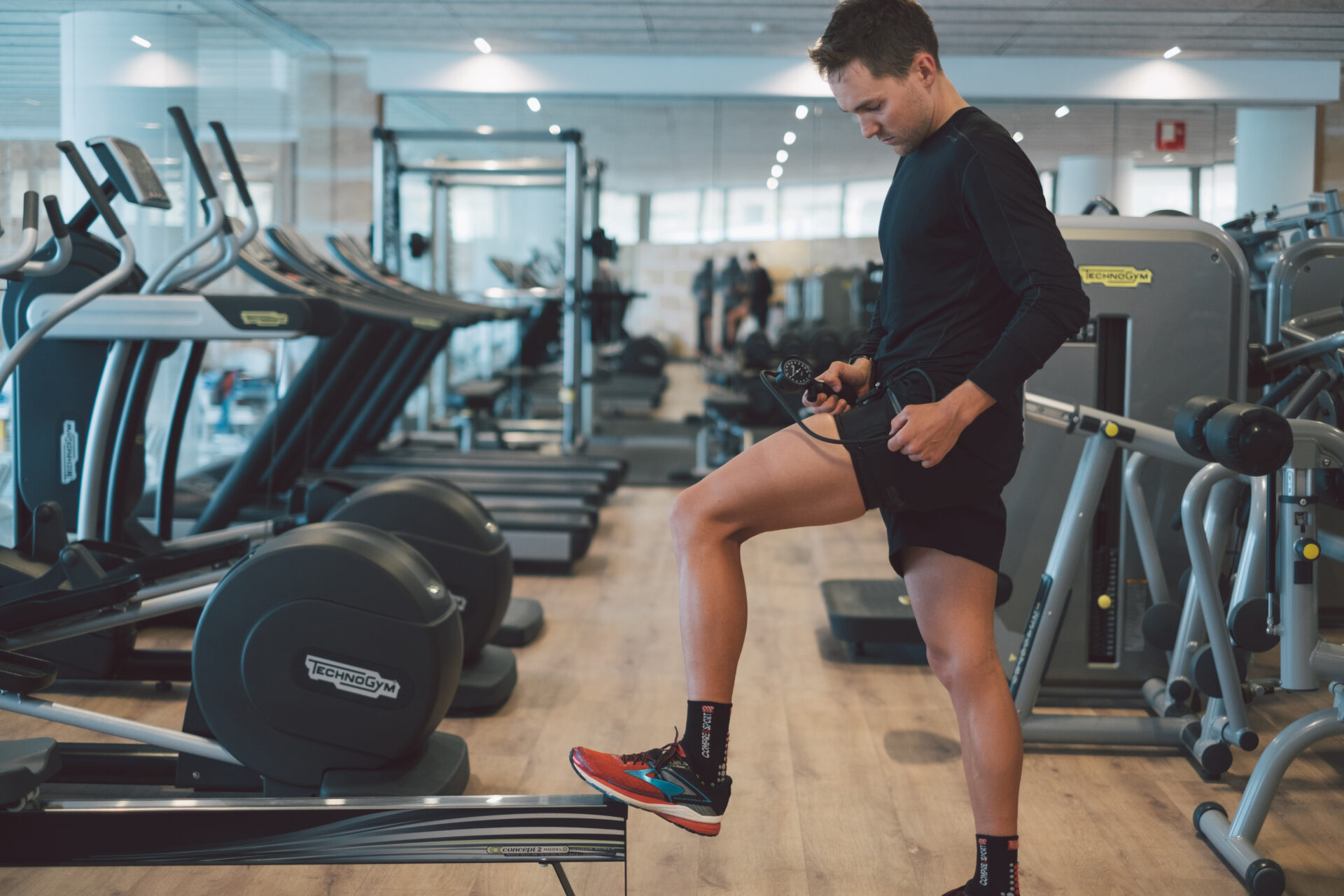
“blood flow restriction training can best be understood as a physiological shortcut to achieving muscle hypertrophy, strength gains, and improved functional capacity, with minimal load on tissues, tendons, and joints.”
Who is blood flow restriction training relevant for?
Rehabilitation, pain-related conditions, and seniors
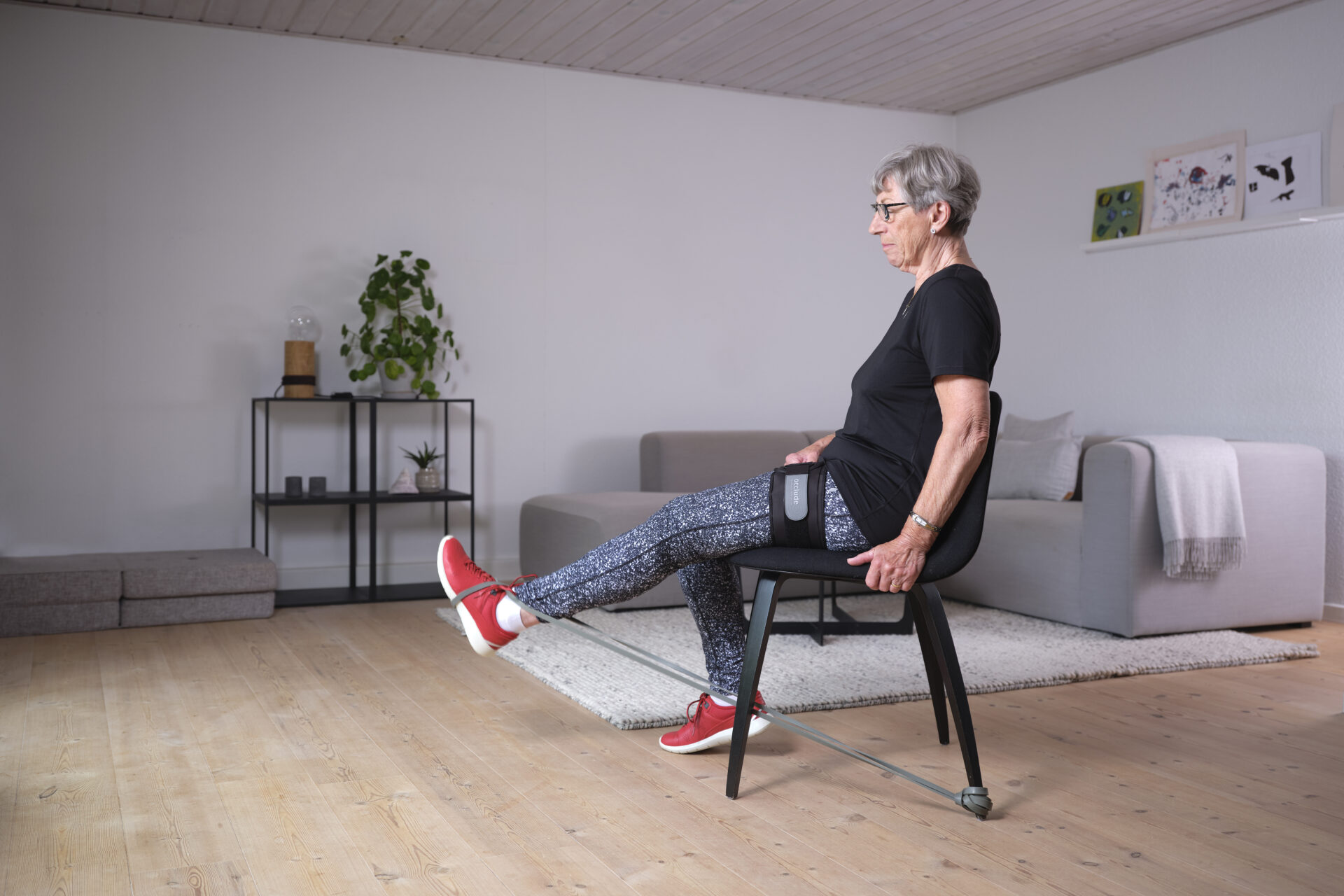
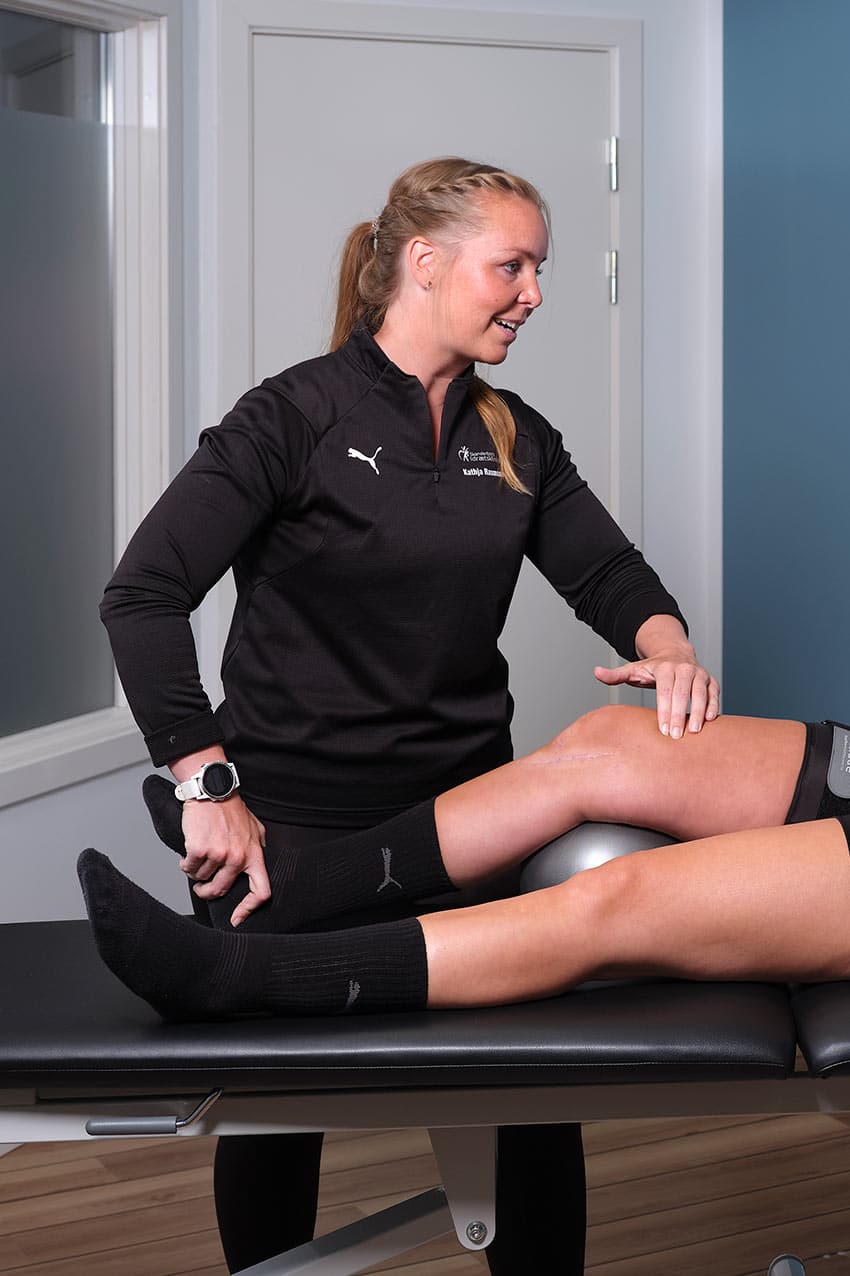
Blood flow restriction training is particularly relevant for individuals who cannot or should not train with high mechanical loads. This includes patients undergoing postoperative rehabilitation, for example following anterior cruciate ligament reconstruction, where the tissue does not yet tolerate heavy resistance training.
Individuals with osteoarthritis or chronic pain may also benefit from blood flow restriction training, as the method makes it possible to achieve a substantial training stimulus without the use of heavy loads.
For older populations with a low tolerance for higher training loads, occlusion training can be an effective method for maintaining muscle strength and functional capacity.
Read more in our blog post on occlusion training for seniors.
Athletes, sports participants, and training enthusiasts
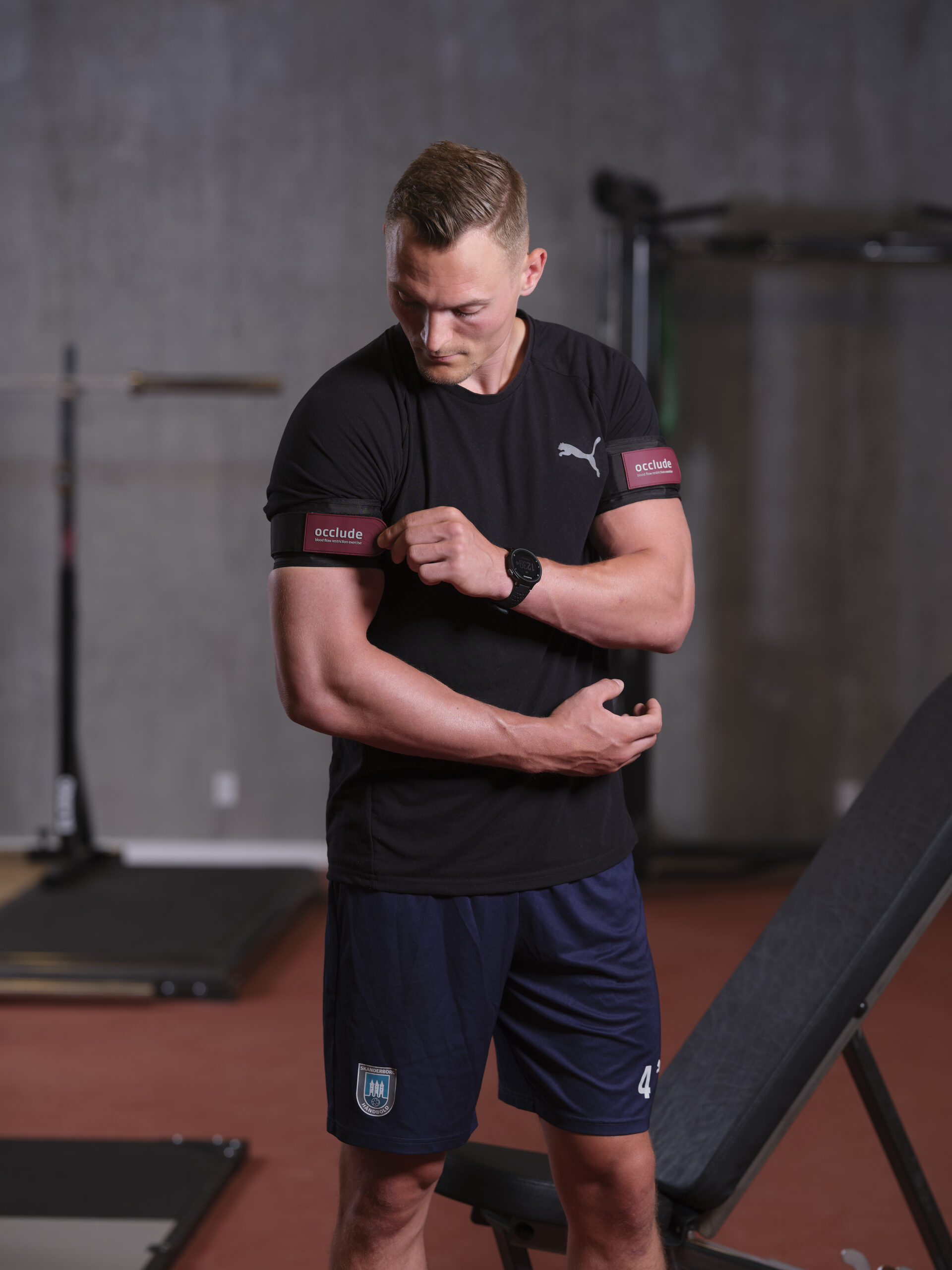
Blood flow restriction training is not only a rehabilitation tool — it is also a powerful complement to physical training and sports performance. Athletes use the method to increase hypertrophy and strength, manage overall training load, or achieve a strong training stimulus during periods of high competition or training demands, when the volume of heavy resistance training is limited.
Strength and recreational athletes can also integrate blood flow restriction training as an effective component of their periodisation and training variation to overcome training plateaus and avoid stagnation when the goal is to increase muscle mass and strength. Because blood flow restriction training can produce substantial results at low loads, it represents a flexible and low-impact training modality suitable for both elite and recreational athletes seeking to optimize their training outcomes.
Research in blood flow restriction training has also shown that it can be an effective tool for reducing recovery time, for example during periods of high competition and training load.
Before you start
Carefully read the guides and instructions included with all Occlude product packages.
Introduce blood flow restriction training gradually – for example by following Occlude’s introductory protocol.
Follow the official guidelines regarding maximum occlusion time and individualized working pressure.
Screen for contraindications
Occlude Knowledge Lab
Visit our knowledge base with articles on occlusion training – written by specialists.